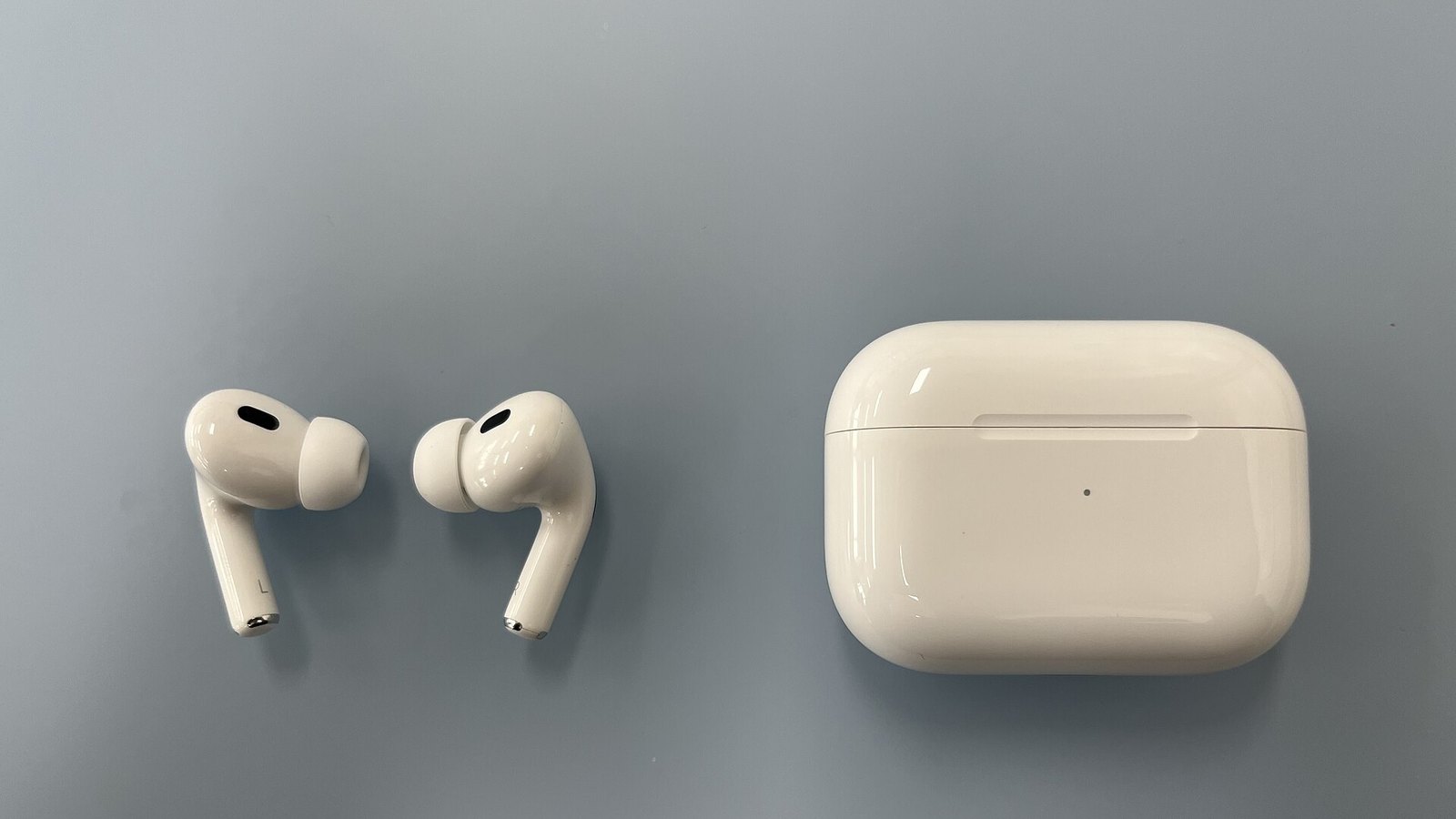
We checked OTC hearing aid prices on October 30, 2026 for Jabra Enhance, Sennheiser, Apple, Lexie, Eargo, Sony, ELEHEAR, MDHearing and Audien. This month’s best deal is the AirPods Pro 3 at Amazon. Sony’s discontinued models are almost gone, and Jabra’s newer M series now heads its lineup. Each row shows the list price, the lowest credible price we found, where it was listed and when, followed by advice on when a lower price is worth taking.
What changed in October 2026
Four changes matter if you’re shopping now.
- AirPods Pro 3 went back to $199 at Amazon. Amazon had been offering AirPods Pro 3 for approximately $198 last week before increasing the price toward Apple’s regular $249 MSRP on October 26, then the discount was restored on October 27. Amazon previously offered AirPods Pro 3 for $179 during its October Prime Day event, so $199 is good but not the lowest price yet.
- Sony stock has nearly run out. In April 2026, HearingTracker reported that Sony OTC hearing aids are being discontinued and will no longer be listed on the Sony website. One of the last discounted listings is gone: Soundly listed the CRE-E10 at $698 and marked it sold out in October 2026.
- The M series now leads Jabra Enhance’s lineup. Jabra Enhance’s current lineup includes the Select M1 ($1,195 per pair), Select M2 ($1,695 per pair), and Select M3 ($1,995 per pair). The older Select 500 is still sold at some retailers, and in at least one case it’s marked as clearance.
- Lexie’s status is unclear. A comparison site says Lexie Hearing has gone out of business and the B2 Plus is no longer available. We could not confirm this with Lexie, and other review sites updated in the past two months still list Lexie prices. Treat it as unconfirmed, and check the company is still trading before you pay.
October 2026 OTC hearing aid price table
All prices are for a pair in US dollars. “Price seen” means the lowest price we could tie to an official store or a major retailer. The date shows when that price was reported. If no date was available, the table says so.
| Device | List price | Price seen | Where | Date reported |
|---|---|---|---|---|
| Apple AirPods Pro 3 | $249 | $199 | Amazon | Oct 27, 2026 |
| Jabra Enhance Select M1 | $1,195 | $1,195 | Jabra Enhance (direct) | Oct 2026 |
| Jabra Enhance Select M2 | $1,695 | $1,695 | Jabra Enhance (direct) | Oct 2026 |
| Jabra Enhance Select M3 | $1,995 | $1,995 | Jabra Enhance (direct) | Oct 2026 |
| Jabra Enhance Select 500 | $1,995 | $1,795.99 (clearance) | Best Buy | Listing not dated |
| Sennheiser All-Day Clear | $999.95 | $999.95 (promos reported lower) | Retail list price | Late Sep 2026 |
| Lexie B2 Plus | $999 | $899 | Lexie (direct) | May 2026 |
| ELEHEAR Beyond | $399 | $399 | ELEHEAR (direct) | Late Sep 2026 |
| Eargo Link | $799 | $799 | Eargo (direct) | 2026 |
| Sony CRE-E10 | $1,299.99 at launch | $698, now sold out | Soundly | Oct 2026 |
Some sources disagree on price. For Jabra, SeniorLiving.org and NCOA both reported the M series prices in October. The Select 500 Best Buy listing showed Clearance $1,795.99, Save $199.01, Comp. Value: $1,995.00, but the listing had no date, so check it again before you plan around it. For Lexie, the newest direct price we could find is from May: in May of 2026, the Lexie B2 Plus is $899 on the company website.
Eargo’s flagship isn’t in the table because current sources disagree too much. One review lists the Eargo model: Eargo 8. Price per pair: $2,699. A competing retailer’s guide says Eargo 8 at $2,950 per pair, Eargo 7 at $2,650, Eargo Link at $799, Eargo SE at $799. Check eargo.com on the day you buy.
The 8 OTC hearing aids worth pricing right now
We ranked these by value for money at October prices. That weighs price against independent lab results, the support included, and whether the brand looks likely to keep supporting the product.
1. Sennheiser All-Day Clear (top pick)
This month’s top pick is the Sennheiser All-Day Clear. The Sennheiser All-Day Clear is a self-fitting RIC hearing aid made by Sonova, the company behind Phonak and Unitron. That backing matters more now that one major OTC brand has left the market and another may have. HearingTracker rates it highly: its HearingTracker Score of 4.6/5 is the highest among the OTC picks on this page and ties the prescription Rexton Reach R-Li.
The list price is $999.95 per pair before promotions. HearingTracker’s price box showed $850 to $900, but it didn’t name the seller, so we left that out of the table. If you see the All-Day Clear under $900 from Sennheiser or a major electronics retailer, it’s a good price.
It has weaknesses. HearingTracker lists its limited fitting controls, basic charger, and weaker performance in noisy places as the main reasons to compare alternatives. It suits adults with mild loss who mostly need clearer speech in quiet rooms, on calls and in streamed audio.
2. Jabra Enhance Select M series (best if you want an audiologist included)
Jabra Enhance is pricier than most OTC brands, and the main reason is the remote care. According to SeniorLiving.org, all three include remote audiology care; the M3 is the brand’s most feature-rich option. SeniorLiving.org also ranks Jabra its top OTC brand thanks to its strong sound quality, 100-day trial, and three years of remote audiology care.
Here’s how the M series is split up, according to NCOA. The M1 is the most affordable option with high-end features like Bluetooth LE and Auracast compatibility. The M2 includes advanced acoustics. The M3 is Jabra’s most discreet OTC model and the only one with TapControl. Auracast support on the cheapest model is a good sign it will last. If you want to know what that buys you in airports, theaters and lecture halls, our guide to Auracast broadcast audio explains it.
The older Select 500 still sells in two packages on Jabra’s site. The $1,995 version is custom-programmed to your unique hearing needs. Plus, 3 years of professional hearing care, warranty and loss & damage protection. The $1,795 version is pre-programmed to fit, set up, and manage yourself out-of-the-box, and comes with No Audiology Team care or services. HearAdvisor’s lab gave the 500 an A grade with a SoundScore of 4.2/5.
Jabra prices tend to drop late in the year. Camelcamelcamel’s Amazon tracker recorded a Select 500 low of $1,395.00 (Nov 20, 2025), against $1,995.00 (Aug 18, 2025) at its highest. Unless you need hearing aids now, wait for November before buying any Jabra Enhance model.
3. Apple AirPods Pro 3 (best cheap option for iPhone owners)
At $199, AirPods Pro 3 are the cheapest way to try hearing amplification from a mainstream brand. Apple sells AirPods Pro 3 for $249, so Amazon’s current price represents a $50 savings, or approximately 20% off MSRP. No coupon or Prime membership is required to receive the advertised $199 price.
The hearing features come free in the software. They use Apple’s FDA-authorized “Hearing Aid feature” to provide personalized, frequency-specific amplification based on the user’s hearing profile, which you create with Apple’s hearing test on your iPhone. Battery life is much better than on the previous model. The new buds will also be capable of 10 hours of battery life with Transparency mode enabled in Hearing Aid mode, compared with six hours on AirPods Pro 2.
The downside shows up in lab results. HearAdvisor gave AirPods Pro 3 a B grade with a SoundScore of 3.3/5 in our lab testing, and it says the earbuds are best suited for budget-conscious listeners who prioritize audio entertainment over speech clarity. They also do not feature Auracast broadcast technology. They suit iPhone owners with mild loss who want help in restaurants, meetings or with the TV, but not all-day wear.
4. ELEHEAR Beyond and Beyond 2 Pro (best mid-price value)
HearingTracker picks the ELEHEAR Beyond as its top affordable OTC aid for its combination of speech performance, Bluetooth features, and included remote support. Elehear currently lists the standalone pair at $399, with accessory bundles priced separately.
The newer Beyond 2 Pro costs more. SeniorLiving.org lists it from $799 per pair with a 45-day risk-free trial. At $399, the original Beyond costs less than half as much as the All-Day Clear. That makes it a sensible first purchase if you aren’t sure how much hearing aids will help you.
5. Lexie B2 Plus Powered by Bose (good aid, uncertain support)
On sound alone, the B2 Plus deserves a higher spot. The Lexie B2 Plus is a mid-priced OTC hearing aid that earns an A grade with a SoundScore of 4.4/5 in HearAdvisor’s lab testing, ranking #7 among 65 OTC devices. That’s a better lab score than both the Jabra Select 500 and AirPods Pro 3.
It ranks fifth because of the reported closure. When a company stops trading, app updates, repairs and protection plans usually stop too. If you find a B2 Plus at a big discount, assume support could end, and only buy from a seller with a clear return policy. If Lexie confirms it’s still in business, the B2 Plus moves back up the list.
6. MDHearing and Audien (cheapest options)
These brands sell at the lowest prices. SeniorLiving.org lists the MDHearing NEO XS, a completely-in-canal model, at $297 per pair. The MDHearing VOLT 4, which costs $397, is designed for people who want straightforward hearing support without complicated smartphone apps or Bluetooth pairing.
The Audien Atom ONE costs even less. It’s listed at $98 at Walmart, according to an October review by an independent blogger who wears hearing aids. That same reviewer warns that below about $98, you’re generally buying amplifiers, not hearing aids. We agree. Below that price, check that the product is sold as an FDA OTC hearing aid and not a personal sound amplifier.
The survey data further down shows what you trade for the low price.
7. Eargo 8 and Eargo Link (most discreet)
Eargo charges the most of any brand here, and its lineup is the hardest to price because sources disagree. The constant is the range: Eargo hearing aids range from $799–$2,950 before discounts. At the top end you pay for an aid that sits deep in the ear canal, which few other OTC brands offer.
The flagship has one limit to check before you buy. SeniorLiving.org’s spec list for the Eargo 8 includes Bluetooth streaming: No. The cheaper Link has an earbud style and does stream. Eargo has offered frequent discounts on its flagships, so don’t pay full price without checking for a sale first.
8. Sony CRE-E10 (closeout only, and mostly gone)
Sony’s OTC range performed well, and an October roundup says the Sony CRE-E10 posted the highest score of any OTC device in HearAdvisor’s lab. Production has ended, though. WS Audiology (WSA), the manufacturer of Sony hearing aids, told HT that warranty and service obligations will be honored for purchasers.
The CRE-E10 launched at $1,299.99 a pair, so closeout prices under $700 were a real bargain while stock lasted. If you find new stock now, buy it from an authorized seller with a return window. Open-box listings from marketplace sellers often don’t allow returns, which defeats the point of a trial.
Features compared
Price alone won’t tell you which aid suits you. This table shows the features that affect daily use. Lab grades come from HearAdvisor or HearingTracker where they were published.
| Device | Style | Rechargeable | Bluetooth streaming | Independent score | Care included |
|---|---|---|---|---|---|
| Sennheiser All-Day Clear | RIC | Yes | Yes, plus hands-free calls | HearingTracker 4.6/5 | Paid add-on |
| Jabra Enhance Select 500 | Mini RIE | Yes, case gives 3 extra charges | Yes, LE Audio and Auracast | HearAdvisor A (4.2) | 3 years on Premium package |
| Lexie B2 Plus | RIC | Yes, USB-C case | Phone calls | HearAdvisor A (4.4) | Protection plan extra |
| Apple AirPods Pro 3 | Earbud | Yes, 10 hrs in Hearing Aid mode | Yes, no Auracast | HearAdvisor B (3.3) | None |
| Sony CRE-E10 | Earbud | Yes | iPhone only | Top HearAdvisor score | Warranty honored |
| Eargo 8 | CIC | Yes | No | Not published here | Bundled support |
| MDHearing VOLT 4 | BTE | Yes | No app needed | Not published here | Basic |
A few of these entries need sources. Jabra’s Select 500 charging case provides up to three additional full charges for on-the-go convenience. The B2 Plus has a rechargeable case that uses a USB-C cable, and there is an companion app supported by Apple and Android. The Sony E10 offered Bluetooth streaming (iOS only) and a wired charging case.
You may need a telecoil for church loops or theater systems. None of the main models above lists one, so if you rely on hearing loops, ask the seller before you buy.
How we chose the models
We used five criteria, in roughly this order:
- FDA OTC status. Every model above is sold as an OTC hearing aid or uses an FDA-authorized hearing aid feature. These are meant for adults ages 18 and older with perceived mild to moderate hearing loss.
- Independent testing. Lab grades from HearAdvisor and HearingTracker counted for more than marketing claims.
- Price you can verify. A price had to come from the brand’s own store or a major retailer. Marketplace and used listings were left out.
- Support and the company’s future. We moved Lexie and Sony down for this reason alone.
- Total cost. That means accessories, protection plans and paid care over three years, not only the price on the box.
What people actually pay for hearing aids
List prices don’t show what buyers really spend. HearingTracker’s 2026 buyer survey fills that gap. The survey was large, but the answers are self-reported, so treat the figures as a guide.
| Purchase channel | Average price per pair |
|---|---|
| All OTC purchases | $502 |
| Without professional fitting (Amazon, Audien and similar) | $922 |
| With professional fitting through online networks | $2,643 |
| Traditional clinic, no insurance | $4,727 |
In the survey, OTC purchases averaged $502 per pair, with reported prices as low as $20. By comparison, buyers at traditional clinics who paid without insurance reported an average of $4,727 per pair. Buyers going through online networks with a professional fitting, through retailers like ZipHearing or Hear.com averaged $2,643 per pair, while purchases without professional fitting, including OTC devices from Amazon, Audien, and similar retailers, averaged just $922 per pair.
The $502 OTC average is pulled down by very cheap devices. HearingTracker notes that OTC brands like Audien averaged just $150 per pair, though these devices typically lack professional fitting and advanced features found in prescription hearing aids. A full-featured self-fitting aid with Bluetooth and an app usually costs $800 to $2,000.
Budget vs premium OTC: does paying more help?
On the survey evidence, yes, though the sample is small. HearingTracker compared Jabra OTC buyers with people who bought OTC aids under $400.
| Segment | Recommend the aids | Helpful daily | Satisfied | Median price | Respondents |
|---|---|---|---|---|---|
| Jabra OTC | 86% | 86% | 71% | $1,695 | 7 |
| Budget OTC (under $400) | 42% | 42% | 48% | $110 | 50 |
All the figures come from OTC: Jabra vs Budget Products in HearingTracker’s satisfaction data. Only seven Jabra buyers answered, so the 86% figure could move a lot with more responses. The budget result is more solid. Fewer than half of the 50 budget buyers said their aids helped every day.
Our view: a $110 device can show you whether amplification helps at all, but it’s a poor test of OTC hearing aids in general. If a cheap pair disappoints you, try a lab-graded mid-price model before deciding hearing aids don’t work for you.
The Costco option
Costco’s hearing centers are the main alternative to OTC for many buyers, and the price gap is smaller than people think. Jabra makes a model only for Costco: the Jabra Enhance Pro 30, a prescription hearing aid that NCOA lists at $1,599. It’s described as Jabra’s prescription hearing aid, only available at Costco. HearingTracker reported the same arrangement: Jabra Enhance Pro is available from Costco at $1,599 per pair.
That price is below Jabra’s own M2 and M3, and it includes an in-person fitting by a licensed hearing aid dispenser. If you have a Costco membership and a hearing center nearby, compare that quote before ordering a premium OTC aid. Our guide to buying hearing aids at Costco covers the appointment, the trial and what’s included.
When OTC is the wrong choice
OTC prices only make sense if OTC suits your hearing. The FDA category is for perceived mild to moderate loss in adults. Self-fitting apps can’t diagnose anything, and they can’t confirm that the sound reaching your eardrum matches your hearing loss.
Clinics can check that with real ear measurement. A small probe microphone in your ear canal measures what the hearing aid actually delivers, and the audiologist adjusts it to match your prescription. You won’t get that with OTC aids. That’s one reason why, for some people, a cheaper prescription aid fitted properly works better than an expensive OTC aid.
If you’re unsure which way to go, our guide to over the counter hearing aids compares the two options in detail.
See a professional
Sudden hearing loss in one or both ears is a medical emergency, so see a doctor the same day. Also get checked for ear pain, drainage, dizziness, loss in one ear only, or trouble following speech even when it’s loud enough.
Hearing aids for tinnitus can help some people by making outside sound easier to hear, which can make ringing less noticeable. They don’t cure tinnitus, and no OTC device on this list says it does. If tinnitus is your main problem, see an audiologist before spending $1,000 or more on OTC aids.
How to save money on OTC hearing aids
Waiting for the right month can save you more than haggling. Here’s what October’s prices tell us.
Buy in November if you can. The lowest Amazon price recorded for the Jabra Select 500 came on November 20, 2025, at $1,395. That’s $600 below list. AirPods Pro 3 have already dropped to $179 during Prime Day this October. Holiday sales usually match or beat the Prime Day price.
Compare Apple’s price with Amazon’s before buying AirPods. In the last week of October, Amazon’s AirPods Pro 3 price went from about $198 to $249 and back to $199 in three days. Check it on the day you buy.
Choose the package carefully, not only the hearing aid. On Jabra’s Select 500, the $200 gap between Basic and Premium pays for three years of remote audiology care and a longer warranty. That’s cheap if you’ll use the care and wasted money if you won’t.
Use pre-tax money. Hearing aids, including OTC models, are generally an eligible medical expense for HSA and FSA accounts. If your account resets on December 31, use any leftover balance before then. Don’t count on Medicare: most insurance plans, including Medicare Part A and Part B, do not cover the full cost of hearing aids. Medicare Advantage plans differ, so call yours before buying.
Be wary of closeout bargains. A discontinued aid at half price is only a good deal if returns are allowed and the warranty is honored. Sony meets both conditions through authorized sellers. A brand that may have shut down might not.
Price-check routine before you buy
- Note the list price on the brand’s own website and screenshot it with the date.
- Search the exact model number at Amazon, Best Buy and Walmart, and compare prices for the same package.
- Check that the price covers a pair and includes the charger and domes.
- Read the trial length and who pays for return shipping.
- Confirm the app is still updated on your phone’s app store.
- Look up the warranty and loss-and-damage terms before you check out.
Hidden costs that change the real price
The price you pay at checkout is only the start. Domes, wax guards and ear tips wear out. Consumer Reports estimates that for the Lexie B2 Plus, the appx cost of annual replacement accessories is $150, however prices may vary. Other RIC models cost about the same to run, so budget roughly $100 to $150 a year.
Protection plans cost extra. For Lexie, HearingTracker reported the Protection Plan comes at an additional cost of $72, $96, and $180 for the Lumen, B1, and B2/Plus hearing aids, respectively. Jabra’s Premium packages and Eargo’s flagships include more of this, which partly explains their higher prices.
Batteries also wear out. A rechargeable aid that lasts a full day now will last less after a few years, and replacing the battery or the whole aid can cost a lot. Over three years, a $999 aid with $150 a year in parts costs about $1,450. Compare that total, not the sticker price.
Hearing tip
Use the trial period fully. Wear the aids every day in the places that give you trouble, such as restaurants and family dinners. Testing them only in a quiet living room tells you very little.
Which one should you buy?
| Your situation | Our pick at October prices |
|---|---|
| Mild loss, want a solid aid under $1,000 | Sennheiser All-Day Clear |
| Want an audiologist included without visiting a clinic | Jabra Enhance Select M1 |
| iPhone owner with mild loss, part-time use | AirPods Pro 3 at $199 |
| Tight budget but want app control | ELEHEAR Beyond at $399 |
| Want something no one will see | Eargo, after checking current pricing |
| Have a Costco membership | Get a Jabra Enhance Pro 30 quote first |
The bottom line
October’s best deal is the $199 AirPods Pro 3 at Amazon, as long as you own an iPhone and need help some of the time rather than all day. For a dedicated hearing aid, the Sennheiser All-Day Clear gives the best mix of price, lab results and long-term support. Jabra Enhance costs more, but it’s worth it if you want an audiologist adjusting your aids remotely for three years. In either case, watch for November sales before paying full price.
We’ll check these prices again next month.
FAQ
How much do OTC hearing aids cost in October 2026?
Among the models we checked, prices ran from about $98 for the cheapest FDA OTC device to roughly $2,950 for Eargo’s top model. Most self-fitting aids with Bluetooth and an app cost $799 to $1,995 a pair. In HearingTracker’s survey, the average buyer paid $502, a figure pulled down by very cheap devices.
Are AirPods Pro 3 a real hearing aid?
The Hearing Aid feature on AirPods Pro 3 is FDA-authorized for adults with perceived mild to moderate hearing loss. You set it up with Apple’s hearing test on an iPhone. In lab testing they scored below dedicated OTC aids on speech clarity, so they work best for part-time use.
Can I still buy Sony OTC hearing aids?
New stock is scarce. Sony and WS Audiology discontinued the range in April 2026, and one well-known closeout listing sold out in October. WSA says it will honor warranty and service for buyers. Only buy from authorized sellers that accept returns.
Is Lexie out of business?
One comparison site reports that it is, but Lexie hasn’t confirmed it and other reviewers still list its prices. Until that’s resolved, only buy a Lexie aid from a seller with a firm return policy, and check that the Lexie app is still available for your phone.
Should I wait for Black Friday to buy hearing aids?
If your hearing isn’t getting rapidly worse, yes. Jabra’s Select 500 reached its lowest recorded Amazon price on November 20 last year, and AirPods discounts usually peak around the holidays. If your hearing changed suddenly, don’t wait for a sale. See a doctor right away.
Do I need a hearing test before buying OTC hearing aids?
No, you can legally buy OTC aids without one. A test from an audiologist is still worth it, because it confirms your loss is in the mild-to-moderate range OTC aids are made for. It can also find problems an app can’t, such as earwax blockage or loss in one ear only.